Summary
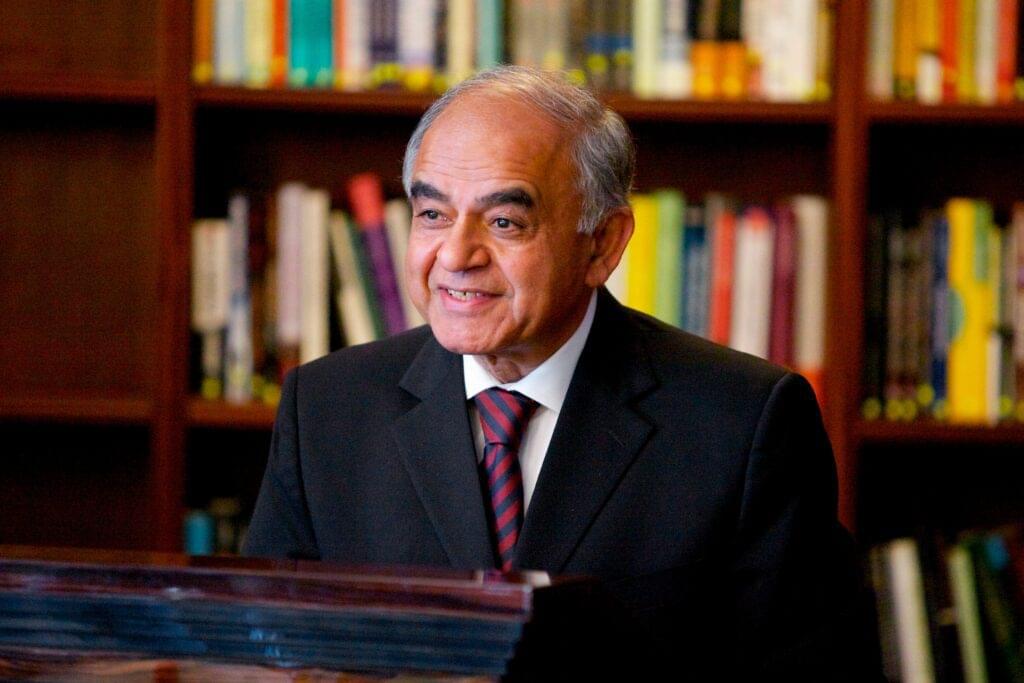
The video transcript provides an insightful look into the management training culture at Unilever (formerly Hindustan Lever) during the speaker’s tenure. The organization had a well-structured and comprehensive management training scheme that spanned 18 months, designed to expose trainees to multiple facets of the business. Trainees rotated through various departments, including sales, factory operations, and marketing, taking on real assignments that required them to produce tangible results. This hands-on approach was coupled with a strong culture of mentoring and coaching. Each trainee was assigned a guide and maintained a “contact book,” where managers they interacted with would provide immediate, written feedback on their performance. This system encouraged continuous learning and development through constructive feedback and personal interaction. The overall process was thoughtfully designed to nurture future leaders by providing them with broad business exposure, real-world responsibilities, and ongoing mentorship.
Highlights
- Unilever (Hindustan Lever) had a strong culture of teaching and mentoring for executives and trainees.
- Management training lasted 18 months and involved rotations across various business functions.
- Trainees worked on real assignments in each department, producing meaningful output.
- Early roles included sales positions, progressing to supervisory and management roles.
- The “contact book” was a unique feedback tool where managers recorded their observations and advice.
- Continuous feedback via the contact book helped tailor discussions and development plans.
- The program was a well-thought investment in developing new talent through exposure and coaching.
Key Insight
Structured Mentoring Culture: Unilever’s approach to mentoring was not incidental but deeply embedded in the company’s ethos. The presence of designated guides for each trainee ensured personalized attention and support, fostering a strong learning environment. This culture likely contributed to the company’s ability to groom leaders internally and maintain high standards of management.Rotational Training
Enhances Holistic Business Understanding: The 18-month rotational program exposed trainees to diverse departments, providing a 360-degree view of business operations. Such exposure is critical for developing versatile managers who understand the interdependence of functions, enabling better decision-making and leadership.
Hands-on, Real-World Assignments: Assigning real jobs rather than simulations ensured that trainees gained practical experience and accountability. This approach helped them develop problem-solving skills and a results-oriented mindset early in their careers.
Progressive Responsibility Builds Leadership Skills: The trajectory from salesman to sales supervisor and assistant area manager exemplifies gradual escalation in responsibility. Managing teams, especially those with long-tenured employees, challenged trainees to develop interpersonal and leadership skills essential for managing diverse workforces.
Innovative Use of the Contact Book for Feedback: The contact book system was an innovative tool for real-time, documented feedback. It created a continuous feedback loop across different supervisors and departments, helping trainees understand their strengths and areas for improvement in an objective manner.
Feedback-Driven Development: The feedback was not merely recorded but actively used in conversations with subsequent mentors. This iterative process ensured that each trainee’s development was personalized, dynamic, and aligned with both individual and organizational goals.
Investment in People as a Strategic Asset: The comprehensive, thoughtfully designed training program reflects the company’s strategic investment in human capital. By nurturing talent through structured exposure and coaching, Unilever could maintain a competitive edge through strong leadership and organizational continuity.
Conclusion
This detailed and methodical approach to management training and coaching at Unilever/Hindustan Lever exemplifies best practices in talent development, emphasizing experiential learning, feedback, and mentoring as cornerstones of building future leaders.
Contributor:

Nick Vaidya, MS, MBA, PhD (c)
Email:
nick@8020strategy.com
LinkedIn:
linkedin.com/in/nickvaidya
YouTube:
youtube.com/channel/UC9OPMJeujF-ImmsFV1OfrHg
Nick Vaidya is a Wiley Best-Selling author and a regular columnist for Forbes India and The CEO Magazine. He has worn many hats — from University Faculty to CEO/CXO roles across startups, SMBs, and a unicorn — and has also led Strategy and Pricing teams for $8B product line at a Fortune 10 company. Today, Nick helps SME CEOs scale their businesses using his proprietary framework, which focuses on transforming the way meetings are conducted — driving cultural shifts and accelerating organizational growth.